13-24 of 360 results
Spiral Heat Exchanger Guide: Design, Benefits & Applications

Spiral Heat Exchanger Guide: Design, Benefits & Applications

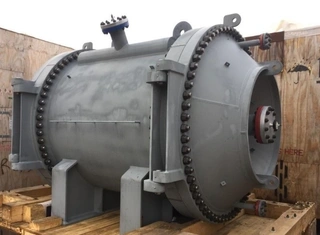
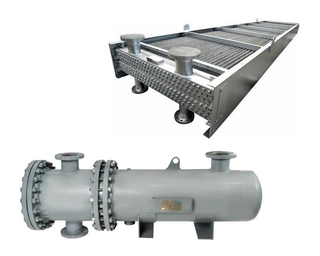
Spiral heat exchangers are innovative devices designed for efficient industrial heat transfer, featuring a unique spiral flow path that ensures true counterflow, enhanced turbulence, and uniform fluid distribution. Their compact design, high heat transfer efficiency, and self-cleaning capability make them ideal for handling viscous, solid-laden, or fouling-prone fluids across chemical, wastewater, power, food, and pulp industries. While initial costs are higher than traditional exchangers, their reduced maintenance needs and energy savings provide significant long-term benefits. Understanding their operation, advantages, and application considerations enables engineers and decision-makers to optimize industrial processes and achieve reliable, cost-effective heat recovery.
Shell-and-Tube vs. Air-Cooled Heat Exchangers: Selection Guide

Shell-and-Tube vs. Air-Cooled Heat Exchangers: Selection Guide

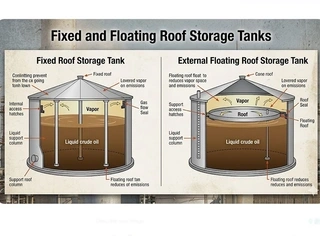
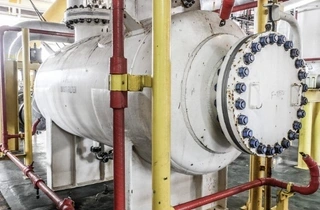
This guide provides a comprehensive comparison of shell-and-tube and air-cooled heat exchangers, detailing their working principles, structural features, performance advantages, typical applications, and key selection factors. It explains how shell-and-tube exchangers excel in high-pressure, high-temperature, and space-constrained scenarios, while air-cooled exchangers offer water-free operation, simplified maintenance, and sustainability benefits. The article also covers cost analysis, lifecycle considerations, and recommended selection processes to help engineers make informed decisions for industrial applications.
Carbon Steel Storage Tank vs. Stainless Steel Storage Tank

Carbon Steel Storage Tank vs. Stainless Steel Storage Tank

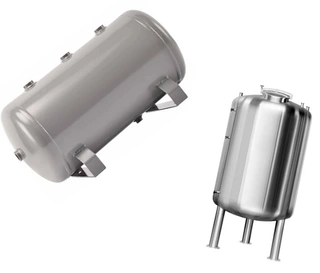
The final decision should be based on a comprehensive technical and economic analysis. It is recommended to involve material engineers and corrosion experts in the evaluation, and when necessary, conduct coupon testing to verify material suitability. A reasonable initial investment can avoid high replacement costs and safety hazards in the later stage, achieving safe, economical, and long-term operation of storage tank assets.
Abnormal Pressure in Multi-Media Filter: Causes & Solutions

Abnormal Pressure in Multi-Media Filter: Causes & Solutions

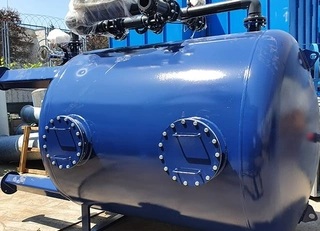
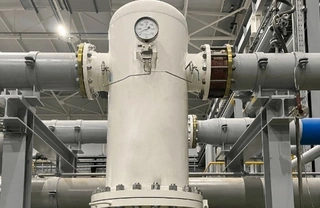
This guide provides a comprehensive overview of multi-media filter pressure abnormalities, covering high inlet pressure, excessive differential pressure, and low outlet pressure. It explains the root causes, including piping blockages, pump malfunctions, media fouling, and backwash inefficiencies, along with their operational impacts such as reduced filtration efficiency, equipment damage, and microbial growth. The article outlines systematic troubleshooting steps and preventive measures, including real-time monitoring, regular maintenance, and standardized operation, to ensure optimal filter performance, stable water quality, and extended equipment lifespan.
Selection Guide for Underground and Aboveground Storage Tanks

Selection Guide for Underground and Aboveground Storage Tanks

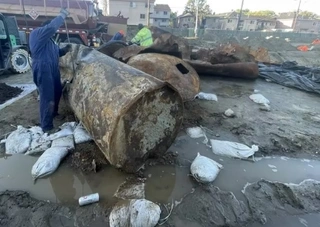
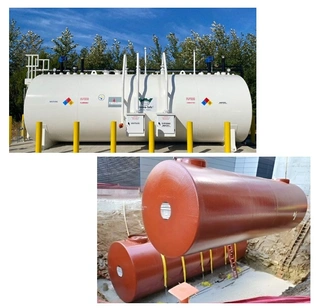
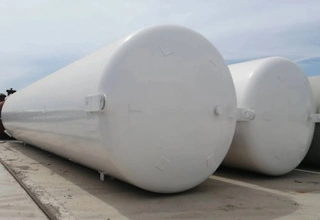
This article provides a comprehensive comparison of underground and aboveground storage tanks for petrochemical, fuel supply, and industrial projects. It explains how underground tanks do not eliminate risk but transform it into concealed subsurface challenges such as corrosion, leakage, and flotation hazards, requiring advanced corrosion protection, anti-flotation design, leak detection, and robust maintenance systems. In contrast, aboveground tanks offer advantages in visibility, inspection, fire protection, construction simplicity, and life-cycle cost control. By analyzing risk structure, technical requirements, site conditions, regulatory factors, and long-term operational capabilities, the guide helps decision-makers select the most appropriate tank solution based on project-specific needs rather than assumptions about safety or modernity.
A Complete Guide to Storage Tank Hydrostatic Testing

A Complete Guide to Storage Tank Hydrostatic Testing

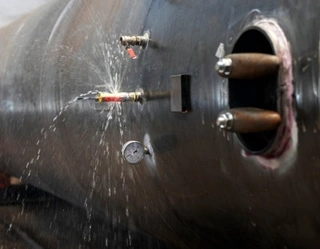
Hydrostatic testing is a critical quality verification procedure for storage tanks after fabrication and installation. This guide provides a comprehensive overview of hydrostatic testing, including preparation requirements, staged water filling methods, monitoring and recording procedures, troubleshooting common failures, safety protection measures, risk control strategies, and acceptance standards. By following strict testing protocols and engineering specifications, hydrostatic testing ensures structural integrity, leak prevention, and long-term operational reliability of storage tanks under real load conditions.
Material Selection & Maintenance of Carbon Steel Storage Tanks

Material Selection & Maintenance of Carbon Steel Storage Tanks

This guide provides a complete overview of carbon steel storage tanks, covering material selection, corrosion assessment, design strategies, protective measures, and maintenance practices. It explains suitable application conditions, high-risk scenarios, and operational considerations, while detailing inspection, cleaning, and anti-corrosion procedures to ensure long-term safety and reliability. Following these guidelines, carbon steel tanks can safely operate over 20 years in various industrial environments, balancing economy and durability.
Spherical Storage Tanks: Design, Structure & Installation

Spherical Storage Tanks: Design, Structure & Installation

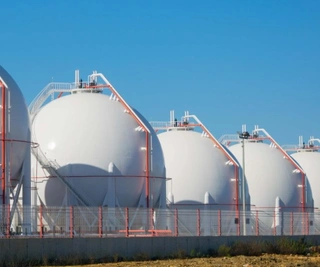
Spherical storage tanks are critical pressure vessels widely used in petrochemical, energy, and industrial storage applications due to their superior strength, efficient material usage, and uniform stress distribution. This article provides a comprehensive overview of sphere tank design, core structural components, support systems, accessories, installation methods, and welding requirements, along with essential pressure testing procedures. It also examines their advantages over cylindrical tanks, temperature classifications, and key structural design considerations.
Storage Tank Insulation: Design, Materials & Maintenance

Storage Tank Insulation: Design, Materials & Maintenance

This article provides a comprehensive analysis of storage tank insulation, covering the selection of materials, structural design, waterproofing, external corrosion protection, heat tracing, construction methods, and maintenance strategies. It emphasizes that effective insulation is a systemic engineering task, integrating temperature control, structural protection, and lifecycle management to prevent corrosion under insulation (CUI), ensure freeze protection, and maintain long-term operational reliability of storage tanks under varying conditions.
Air–Water Backwashing of Multimedia Filters

Air–Water Backwashing of Multimedia Filters

Air–water backwashing is a critical maintenance process for multimedia filters in water treatment systems, combining air agitation and water flushing to effectively remove accumulated contaminants from filter media. By loosening and discharging suspended solids, colloids, organic matter, and biofilms, this method restores filtration performance more thoroughly than water-only backwashing while significantly reducing water and energy consumption. Properly executed air–water backwashing enhances effluent quality, extends filtration cycles, protects filter media, and improves overall system reliability, making it an efficient and sustainable solution for modern water treatment applications.
What is Cement Silo: Structure, Functions & Maintenance

What is Cement Silo: Structure, Functions & Maintenance

This article provides a comprehensive overview of cement silos, detailing their structural components, functional characteristics, operating procedures, and essential maintenance practices. It explains how cement silos ensure safe and efficient storage and discharge of bulk cement while emphasizing environmental protection and operational safety. Common operational issues and practical solutions are discussed, along with typical application scenarios in construction and material storage.
Guide to Non-Destructive Testing of Storage Tanks

Guide to Non-Destructive Testing of Storage Tanks

This article highlights the critical role of non-destructive testing in ensuring the safe operation of oil storage tanks. By identifying defects such as cracks and corrosion that develop during long-term service, NDT helps prevent accidents, reduce equipment damage, and protect personnel, serving as an essential safeguard for petroleum storage and transportation systems.
Total 360 Records, 12 records per page