
Underground Storage Tanks (USTs) are commonly used fuel storage facilities in gas stations, manufacturing plants, and agricultural operations for the safe containment of fuels, petroleum products, and other hazardous substances. However, when these tanks develop leaks, they can lead not only to severe environmental contamination but also to significant financial losses and legal liabilities. This article provides a detailed overview of the common causes of UST leaks, warning signs, professional detection methods, and preventive measures to help underground storage tank owners identify issues early and manage them properly.
Understanding the root causes of leaks is the first step in prevention. Underground storage tank leaks are typically caused by the following factors:
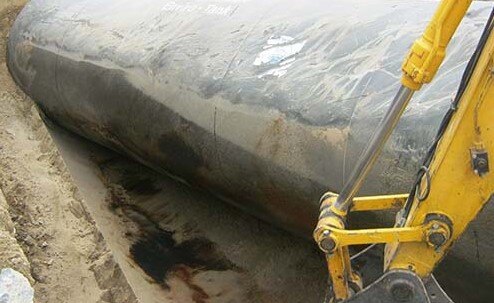
Many older storage systems were designed and installed under lower standards, with extensive use of exposed steel piping and components. When buried underground, steel continuously reacts with moisture, oxygen, and soil chemicals, gradually leading to corrosion. This process is slow but persistent and eventually results in holes or fractures in pipelines and fittings connecting the tank inlet and outlet.
Corrosion types include uniform corrosion (overall thinning of the metal surface) and pitting corrosion (localized damage caused by chemical or bubble activity). For aging steel-based systems still in operation, corrosion remains one of the most critical risks.
Fuel dispensers contain multiple joints, valves, and connection points. In older UST systems, these components were often made of unsuitable materials and installed directly above ground. When leaks occur, fuel can directly seep into the soil, causing rapid contamination.
Modern dispensers have improved significantly, incorporating leak-prevention designs and secondary containment systems. However, many outdated systems still lack these upgrades.
During fuel delivery from tanker trucks, improper monitoring or equipment failure can cause tanks to be overfilled. Once capacity is exceeded, fuel may overflow from the top of the tank and directly enter the surrounding soil.
Although this may seem rare, improper handling, faulty level monitoring systems, or human error can all lead to overfilling. Even a single spill can result in localized soil contamination.
Even modern tanks made of advanced materials such as fiberglass-reinforced plastic can develop long-term issues if installation standards are not followed. Common problems include:
- Loose pipeline connections or gaps at joints
- Unstable tank foundations causing settlement
- Failure to conduct pressure testing before operation
- Improper or damaged corrosion protection coatings
These issues may not appear immediately but can develop into serious leaks or structural failure over time.
Soil conditions naturally shift, settle, or expand over time. These changes can create uneven pressure on buried tanks. If soil characteristics were not properly considered during installation, or if the tank is located in an unstable geological area, such movement may lead to cracks or structural damage.
The fuels or chemicals stored in a tank may react chemically with tank materials. For example, certain biofuels or additives can be corrosive to traditional metal tanks or sealing materials. Without proper compatibility testing, such chemical reactions can gradually weaken the tank structure and eventually cause leakage.
Compared to new systems, older underground storage tanks are far more prone to leaks, especially when maintenance is neglected. Metal fatigue, aging seals, and degraded protective coatings are all time-related issues. Regular assessment of remaining service life and timely upgrades or replacements are essential for risk reduction.
Early detection can significantly reduce cleanup costs and environmental damage. Tank owners should closely monitor the following warning signs:
One of the earliest indicators of a leak is a noticeable chemical smell. Depending on the stored substance, you may detect strong odors of gasoline, diesel, or other chemicals. If such odors are present near the tank area, vents, or surrounding soil, immediate attention is required.
Since USTs are designed to isolate hazardous materials from the environment, any detectable odor often indicates a failure in the containment system.
Sudden or unexplained decreases in fuel inventory may indicate a leak. Even a pinhole-sized defect can result in losses of up to 400 gallons per year.
Causes of inventory loss include corrosion, mechanical failure, structural damage, micro-cracks, and faulty connections. Regular inventory tracking—recording deliveries and sales—is essential. Any discrepancies should be investigated immediately.
A key function of UST systems is to isolate hazardous substances from soil and groundwater. When this barrier fails, groundwater is often the first to be affected. Common signs include:
- Changes in water clarity or color (cloudy or discolored water)
- Unusual odors (gasoline or chemical smells in well water)
- Surface oil films (rainbow-colored sheen on ponds or wells)
- Vegetation stress (sudden plant death or abnormal growth)
- Dark soil staining (unexplained black or dark patches on the ground)
Since many communities rely on groundwater for drinking, contamination can quickly escalate from an environmental issue to a public health crisis. Regular groundwater testing is therefore essential.
When warning signs appear but leakage is not confirmed, professional diagnostic methods are required:
Site characterization is a systematic process of collecting environmental data at the suspected contamination site. It includes evaluating geology, hydrology, and pollutant distribution to determine the extent of contamination and guide remediation efforts.
Soil sampling is one of the most fundamental detection methods because leaked substances typically first migrate into surrounding soil. Samples are collected at strategic locations and depths based on tank position and soil conditions.
Strict procedures are followed: using specialized tools, preventing cross-contamination, proper labeling, and transporting samples to certified laboratories. These labs test for petroleum hydrocarbons and related compounds such as benzene derivatives to determine contamination levels.
Groundwater sampling is equally critical. Before sampling, stagnant water is often purged from wells to ensure fresh groundwater is collected.
Using specialized pumps, samples are collected carefully to avoid contamination. Laboratory analysis includes petroleum compounds and heavy metals, compared against environmental safety standards.
Laboratory testing is the definitive method for confirming leaks. Advanced techniques such as gas chromatography and mass spectrometry identify pollutant types and concentrations with high precision. These results support source identification, legal responsibility determination, and remediation planning.
Failure to address leaks promptly can lead to severe consequences:
Leaked fuel and chemicals quickly spread through soil and contaminate groundwater. This pollution is often hidden, widespread, and difficult to remediate.
Contaminated soil harms vegetation and disrupts ecosystems. When groundwater is affected, nearby drinking water sources may become unsafe. Volatile organic compounds can also enter the air through soil pores, contributing to air pollution.
In the United States, UST systems are strictly regulated by the Environmental Protection Agency (EPA). The Leaking Underground Storage Tank (LUST) program works with local agencies to manage contamination cases.
Under the Resource Conservation and Recovery Act (RCRA), tank owners must immediately report leaks and are responsible for investigation, cleanup, and potentially decommissioning the tank. Non-compliance can result in fines of up to $37,500 per day. In addition, contamination spread may lead to civil lawsuits and compensation claims.
Leak-related costs include:
- Testing (soil and groundwater sampling, lab analysis)
- Tank replacement or system repair
- Soil excavation and disposal
- Soil remediation (bioremediation, chemical treatment, thermal desorption)
- Groundwater treatment (pump-and-treat, in-situ oxidation)
- Legal compensation to affected parties
- Insurance gaps and increased premiums
While insurance can help reduce financial burden, the most effective cost-saving strategy is preventive maintenance and early detection.
Prevention is always more effective than remediation. Key measures include:
Monthly checks of dispensers, pipelines, and valves
Annual integrity testing of tanks and piping
Continuous inventory monitoring and anomaly detection
Inspection of corrosion protection and cathodic systems
Old steel tanks exceeding their design life should be replaced with modern double-wall or corrosion-resistant systems. New tanks often include leak detection sensors and secondary containment layers for early warning.
Ensure level monitoring systems are functional
Maintain supervision during fuel delivery
Install overfill alarms and automatic shutoff systems
Train operators on safe procedures
UST installation should always be performed by qualified professionals. Proper site geotechnical evaluation, adherence to standards, and post-installation pressure testing are essential for long-term safety.
Before storing new fuels or additives, compatibility testing must ensure no adverse chemical reactions occur with tank materials or seals. Protective linings or alternative materials may be required.
Even with preventive measures, an emergency response plan should be in place, including:
Leak reporting procedures to authorities
Site isolation measures
Emergency contractor contacts
Insurance and legal coordination
Underground storage tank leaks are serious environmental and safety concerns. They can result from corrosion, dispenser failure, overfilling, improper installation, soil movement, material incompatibility, or aging infrastructure. Early warning signs such as unusual odors, fuel loss, and groundwater changes should never be ignored.
Professional methods like soil sampling, groundwater testing, and laboratory analysis are essential for accurate diagnosis. The consequences of leaks include environmental damage, regulatory penalties under EPA and RCRA regulations, and substantial financial losses.
Preventive strategies, regular inspections, equipment upgrades, proper operation, and professional installation, are the most effective ways to protect both the environment and asset owners’ interests.
If you manage underground storage tanks, it is strongly recommended to review your current maintenance and risk management practices and consult experienced professionals for a comprehensive assessment. Early action is the key to preventing minor issues from becoming major disasters.
