
In the storage industry, plastic storage tanks and metal storage tanks are two common choices. They each have different characteristics, advantages, and applicable scenarios. For enterprises, choosing the right storage tank not only ensures storage safety and reliability but also helps save costs and improve efficiency in long-term operations. This article will provide a comprehensive comparison of plastic storage tanks and metal storage tanks from multiple aspects such as cost, performance, and application scenarios, to help you make an informed choice.
In the storage industry, cost control is one of the key factors in business operations. Choosing the right storage tank can not only ensure storage safety and reliability but also help save costs and improve efficiency over long-term operations. Plastic storage tanks and metal storage tanks, as two common options, have significant differences in terms of cost. Next, we will explore the economic advantages of plastic storage tanks and how these advantages bring long-term benefits to enterprises.
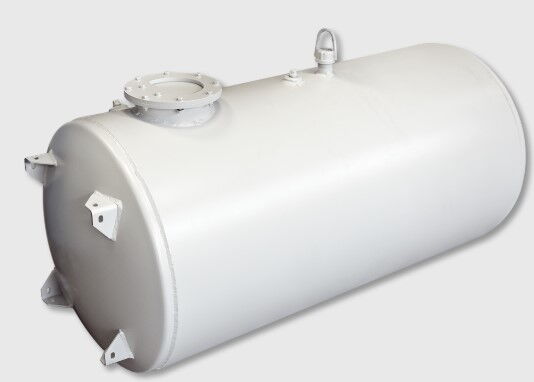
Plastic storage tanks are usually made of plastic materials such as polyethylene (PE) and polypropylene (PP), which are relatively low in price. Taking polyethylene as an example, its market price is relatively stable with small fluctuations. In contrast, the raw material costs of metal storage tanks vary greatly. While ordinary carbon steel storage tanks are not very expensive, stainless steel storage tanks and storage tanks with special alloy components are more costly. Moreover, with the fluctuation of metal prices, the raw material cost of metal storage tanks is greatly affected, and cost stability is not as good as that of plastic storage tanks.
Plastic storage tanks are mostly produced using one-piece molding processes, such as rotational molding. The mold cost of this process is relatively low, and production efficiency is high, allowing for large-scale production and effectively reducing unit cost. The manufacturing process of metal storage tanks is much more complex. It requires multiple procedures such as cutting, welding, polishing, and may involve special processes like heat treatment. These procedures not only increase labor and equipment costs, but for some large metal storage tanks, higher requirements for equipment and technology during manufacturing also increase production costs.
Plastic materials have low density, making plastic storage tanks lightweight. For example, the density of PP material is only about 1/8 that of steel. This means transportation costs are reduced for plastic storage tanks. During installation, large lifting equipment is not required, which lowers installation and labor costs. In contrast, metal storage tanks are heavy, requiring larger equipment and more labor for transportation and installation, resulting in higher costs.
Metal storage tanks, especially carbon steel storage tanks, are prone to rust and corrosion under many conditions. Therefore, regular anti-corrosion treatments such as painting or lining are required, along with periodic inspections, which are costly. Stainless steel storage tanks, while having better corrosion resistance, may also experience localized corrosion under certain special environments, and maintenance costs should not be ignored. Plastic storage tanks have excellent corrosion resistance and can withstand most acidic, alkaline, and saline solutions. Under normal use, frequent maintenance is not required, only simple periodic inspections, resulting in low maintenance costs.
From a long-term perspective, plastic storage tanks show a clear overall cost advantage. Although metal storage tanks generally have higher strength and durability, improper maintenance can shorten their service life due to corrosion. Plastic storage tanks, when used under appropriate conditions, can also achieve a long service life, and because of their lower cost, even replacement at the end of their life is relatively affordable.
In the storage industry, besides cost, storage tank performance is also a key consideration. Different storage needs require different levels of corrosion resistance, high-temperature resistance, impact resistance, and sealing performance. Plastic storage tanks and metal storage tanks each have advantages in these performance aspects, suitable for different application scenarios. Next, we will provide a detailed comparison of the performance characteristics of these two types of storage tanks to help you choose according to actual needs.
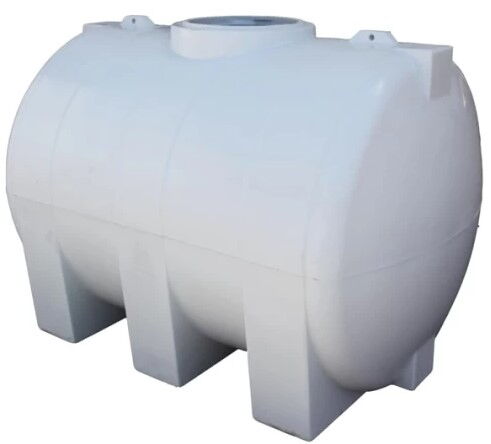
Plastic storage tanks have high corrosion resistance and can be used in a variety of chemical environments. They can resist most acidic, alkaline, and saline solutions, effectively resisting chemical erosion. In contrast, metal storage tanks are susceptible to corrosion, especially carbon steel storage tanks. Even stainless steel storage tanks may experience localized corrosion under certain special environments. Therefore, for storing highly corrosive chemicals, plastic storage tanks are usually a better choice.
In terms of high-temperature resistance, metal storage tanks have obvious advantages. Steel storage tanks can store high-temperature liquids with good high-temperature performance. Plastic storage tanks, however, have poor high-temperature resistance and cannot store hot liquids, as they are prone to deformation and cracking. Therefore, for applications that require storing high-temperature liquids, metal storage tanks are more suitable.
Plastic storage tanks have high impact resistance and can withstand significant shocks and pressure. This makes them more durable during transport and use. Metal storage tanks are prone to deformation or cracking when subjected to impact, especially in low-temperature environments, where metal brittleness increases and impact resistance decreases.
Both plastic and metal storage tanks have good sealing performance, effectively preventing liquid leakage and contamination. However, plastic storage tanks are produced by one-piece rotational molding without welding seams, which makes their sealing performance more reliable. Metal storage tanks may have potential leakage risks during welding processes and require regular inspection and maintenance.
Plastic storage tanks are recyclable, helping to reduce waste and environmental pollution. Metal storage tanks usually require cutting, melting, and recasting, producing large amounts of waste and consuming energy. In addition, the production process of plastic storage tanks is relatively environmentally friendly and has a lower impact on the environment. Metal storage tank production may generate significant exhaust gas, wastewater, and solid waste.
Plastic storage tanks can be customized in design and shape according to needs to meet different storage requirements. They can be made in various shapes and sizes to meet specific application scenarios. Metal storage tanks have relatively fixed designs, which may be difficult to adapt to specific applications.
Different application scenarios have different storage tank requirements, so choosing the appropriate storage tank is critical. Whether in the chemical industry, food industry, or general industrial water applications, the specific storage substance, environmental conditions, and operational needs should determine the most suitable type of storage tank. Below, we discuss the suitability of plastic and metal storage tanks for different applications.
Plastic storage tanks are mainly used to store liquids or solids that are non-corrosive, including tap water, drinking water, wastewater, beverages, oils, food products, chemical preparations, raw materials, and equipment. Their advantages include relatively low price, light weight, easy handling and installation, and rust resistance. They do not chemically react with stored liquids. In addition, plastic storage tanks have good sealing performance, effectively preventing liquid leakage and contamination.
Plastic storage tanks use one-piece rotational molding without welding seams, with linear low-density polyethylene (LLDPE) as the raw material, ensuring stable performance. Plastic water storage tanks are available in many sizes, from 300 liters to 30 tons, including vertical tanks, conical-bottom tanks, horizontal tanks, and special-shaped tanks. Depending on customer requirements, they can be installed underground, on rooftops, or on flat surfaces.
Steel storage tanks offer strong corrosion resistance and can store various corrosive substances. They also have good high-temperature resistance, can store hot liquids, and have a long service life, generally over 20 years. Steel storage tanks also provide good sealing and pressure resistance, capable of withstanding high pressure. Therefore, for storing high-temperature, high-pressure, high-purity materials, or situations requiring high strength, metal storage tanks, though costly, are a high-performance choice.
In the chemical industry, strict storage requirements exist, especially for highly corrosive chemicals. For example, chemicals such as caustic soda and fluoride removal agents can erode containers during storage. Therefore, choosing the appropriate storage tank is particularly important. Plastic-lined storage tanks and stainless steel water storage tanks are common market solutions, each with distinct characteristics and applicable scenarios.
Plastic-lined storage tanks are coated internally with a special plastic material that effectively resists most corrosive chemicals. They are especially suitable for storing strong corrosive liquids such as caustic soda and fluoride removal agents. In addition, these storage tanks have a wide temperature tolerance and maintain good performance under extreme conditions. However, plastic-lined storage tanks also have limitations. For certain specific chemical reactions or extreme conditions, other types of storage tanks may be necessary. Therefore, selection should consider the specific application environment.
Stainless steel water storage tanks are widely favored for their excellent corrosion resistance and high strength. Stainless steel is resistant to most chemical corrosion and suitable for various industrial applications. However, for high-concentration acid or alkaline solutions, stainless steel storage tanks may not be the optimal choice. Their advantage lies in broad applicability and long service life, but they are relatively expensive and may require additional treatment for certain chemicals to ensure safety.
When selecting a storage tank, first consider the specific nature of the stored material, such as corrosiveness and temperature range. For long-term storage of highly corrosive chemicals, plastic-lined storage tanks may be better. For general industrial water or non-corrosive liquids, stainless steel water storage tanks are more cost-effective. In addition, factors such as cost and maintenance should be considered. Under the premise of meeting basic usage requirements, choose products with higher cost-effectiveness to achieve optimal economic benefits.
Plastic and metal storage tanks each have advantages and are suitable for different applications. Plastic storage tanks have clear advantages in cost, corrosion resistance, impact resistance, environmental performance, and design flexibility, making them one of the mainstream choices in the storage industry. However, in special situations such as storing high-temperature, high-pressure, high-purity materials, or where high strength is required, metal storage tanks, though more expensive, remain an irreplaceable choice due to their performance advantages.
In summary, choosing the appropriate storage tank requires considering multiple factors comprehensively. This article's comparison and analysis aim to help you better understand the characteristics of plastic and metal storage tanks and make an informed choice.
