
In the petrochemical industry, crude oil storage tanks, as an important part of infrastructure, bear the core responsibility of storing large volumes of crude oil. Due to the high flammability of crude oil itself and the complexity of the tank operating environment, its safe operation faces numerous challenges. Once a tank leak, fire, or corrosion accident occurs, it may not only cause huge economic losses but also pose serious threats to personnel safety and the surrounding environment. Therefore, systematically identifying potential hazards of storage tanks, adopting scientific preventive measures, and establishing a sound management mechanism are of vital importance for ensuring the safe operation of crude oil storage tanks and improving production stability. This article will provide a comprehensive analysis and practical preventive strategies for the safe operation of crude oil storage tanks from multiple aspects including hazard analysis, fire and explosion prevention, corrosion prevention, and enterprise safety management.
As an important part of the petrochemical industry, crude oil storage tanks undertake the heavy responsibility of storing large volumes of crude oil. However, due to the particularity of the stored medium and the complexity of the operating environment, crude oil storage tanks present numerous hazards that cannot be ignored. These hazards not only threaten the safety of the tanks themselves but may also seriously impact the surrounding environment and personnel safety.
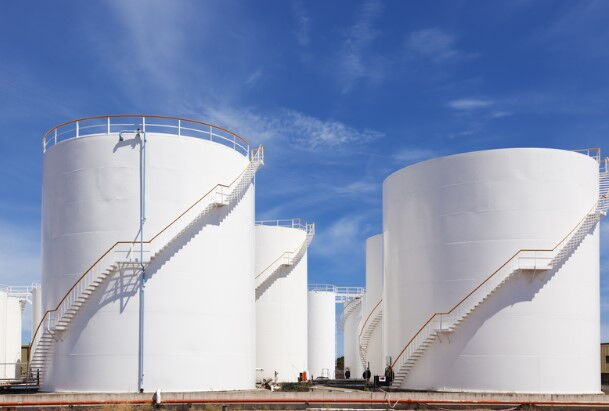
Crude oil belongs to Class B flammable liquids, possessing significant flammability and explosion risks. Although its explosion limit range is narrow, the values are low, which means that under specific conditions, crude oil can easily cause explosions. In addition, crude oil is prone to boiling and overflow, a characteristic that requires special attention during firefighting operations. When a fire occurs in a crude oil storage tank, the oil may rapidly vaporize due to rising temperatures, forming large amounts of combustible gas that, when mixed with air, can easily cause explosions.
The occurrence of a fire requires three necessary conditions: ignition source, combustible material, and air. In crude oil storage tank areas, the management of ignition sources is crucial. It is strictly forbidden to bring any fire sources into the tank area, including open flames and electric sparks. Once leaked crude oil is exposed to air, it becomes combustible. Oil leakage is relatively common during storage and transportation, mainly in the following situations:
- Overflow from tanks: When the liquid level in the tank is too high, it may cause crude oil to spill.
- Dehydration leakage: During the crude oil dehydration process, improper operation may lead to oil leakage.
- Equipment, pipeline, or valve damage: Damage to the tank and its auxiliary equipment can also result in oil leakage.
- Poor sealing causing oil and gas volatilization: Poor sealing performance of the tank can lead to oil and gas volatilization, increasing fire risk.
- Major leakage accidents such as bottom weld cracking, floating roof sinking, etc.: Although the probability of such accidents is low, the consequences are extremely serious.
Corrosion is one of the important factors causing crude oil leakage. Numerous oil leakage incidents caused by bottom corrosion of tanks have occurred domestically and abroad. Preliminary investigations of corrosion inside crude oil storage tanks indicate that bottom corrosion is the most severe, mainly manifested as ulcer-like pitting corrosion, often occurring in weld heat-affected zones, depressions, and deformed areas. Roof corrosion is secondary, showing uneven overall corrosion with pitting. Wall corrosion is relatively light, mainly occurring at the oil-water interface and oil-air interface. Comparatively, external corrosion at the tank bottom is more severe, mainly occurring on the side where the edge plate contacts the ring beam foundation.
The geotechnical survey and foundation design of storage tanks are the fundamental guarantee for the safe operation of large tanks. According to petrochemical industry standards, geotechnical surveys must be conducted during site selection. For general, soft, mountainous, and special soil foundations, conditions must be clarified and corresponding foundation treatment methods proposed. At the same time, the seismic effect of the site and foundation should be evaluated to avoid constructing tanks on uneven soil foundations or within the influence range of active geological faults.
Common tank foundation forms include ring wall (beam) type, outer ring wall (beam) type, and slope protection type. Selection should be based on geological conditions. Tank foundations must have sufficient overall stability, uniformity, and adequate planar bending stiffness. The foundation directly beneath the tank wall should have reinforced stiffness to support the base of the tank bottom, while the base bed should be flexible to absorb welding deformations. Waterproof and oil-proof layers and oil leak signal pipes should be installed, ensuring that the distance between groundwater level and foundation top is no less than the capillary rise (generally 2 meters).
The frequency of fires in floating roof tank seals is relatively high, mainly due to imperfect sealing that causes elevated oil vapor concentrations. Further causes include:
- Construction deviations: During the construction of large tanks, deviations in ovality, verticality, and local unevenness are inevitable.
- Operational factors: During tank operation, medium properties, climate, temperature, and tank foundation settlement may cause changes in the geometry and dimensions of the tank and floating roof.
- Aging of sealing rubber: Existing sealing rubber may deform due to sunlight, wind erosion, and high temperatures from wax scraping mechanisms.
- Floating roof drift: Wind, and inflow or outflow of medium may cause the floating roof to “drift” inside the tank.
Therefore, the reliability and tightness of sealing devices are crucial for reducing liquid evaporation and ensuring safe operation. To improve the shortcomings of currently widely used sealing devices, the “roller-frame seal” has been developed domestically. This device uses several arc-shaped sealing frame segments connected by pivots, allowing the frame to act like a chain and change shape with the tank under spring tension. Rollers installed at the frame ends move along the tank wall as the floating roof rises or falls, maintaining the distance between the sealing frame and tank wall. The device has multiple functions, including rainproofing, wax scraping, and dual sealing.
During normal operation, the floating roof on the tank floats freely with the rise and fall of the oil level. When the roof experiences increased weight or becomes stuck due to external forces and cannot move freely, rapid oil removal may submerge the roof, eventually causing it to sink.
The bottom of crude oil storage tanks always contains a certain thickness of saltwater. When storing heavy or high-sulfur, high-acid oil, higher anti-corrosion requirements are needed. Although there is no unified national standard for corrosion protection design of storage tanks, systematic and comprehensive design and implementation of corrosion prevention for large tanks with large storage capacity and severe corrosivity are of obvious importance.
In addition to conventional external anti-corrosion coatings, sacrificial anode or impressed current cathodic protection can be used. The anode can also serve as lightning and anti-static grounding. Traditional copper grounding electrodes should be replaced because copper becomes cathodic while tank steel becomes anodic, accelerating corrosion. Zinc or magnesium electrodes are recommended. Even with coating protection, the use of sacrificial anodes should be considered to mitigate corrosion in case of coating defects. Coatings must not use conductive anti-static coatings because they accelerate anode dissolution when used with sacrificial anodes, losing proper cathodic protection.
Aluminum-based sacrificial anodes are recommended for the internal wall. The focus of tank wall protection is the bottom water layer. Epoxy-based oil- and salt-resistant tank coatings should be applied to the bottom 1 meter of the interior, while other parts can use conductive anti-static tank coatings.
Petrochemical enterprises should strengthen stable operation management of upstream units, pay attention to the safety operation risks of downstream storage and transportation systems, strictly control various process indicators, and prevent light components such as hydrogen and light hydrocarbons from being returned to storage tanks, affecting safe operation.
- Operation Management of Light Oil Tanks: Pay great attention to the operation management of light oil tanks, establish effective mechanisms for regular inspection of corrosion and combustible gas concentration detection. For light oil tanks with nitrogen blanketing, nitrogen displacement analysis must be performed before oil filling is allowed.
- Maintenance and Construction Work Management: Strictly control maintenance and construction operations in the tank area and conduct risk assessments before work. High-risk operations such as tank maintenance, project modification, and pipeline hot work must have detailed construction plans and be executed according to the plan. Cleaning, dehydration, sampling, and flange blind plate installation/removal should not be conducted simultaneously with hot work in the same area.
- Fire Safety Measures: Pay close attention to fire safety in the tank area, especially controlling oil handling in surrounding light oil tanks to prevent the release of large amounts of combustible gas near work sites. Ensure sealing of dehydration channels and oily wastewater systems, and strictly prohibit simultaneous open operations that release materials near operational facilities.
- Lightning and Static Prevention Measures: Lightning and static protection for petroleum storage tanks must be designed strictly according to specifications. Regular inspection of lightning and anti-static facilities is required to ensure proper function. Standardize employee operation behavior, increase safety inspections and assessments, and eliminate violations.
The safe operation of crude oil storage tanks is an important issue in the petrochemical industry. By thoroughly analyzing the hazards of crude oil storage tanks, we can better understand the causes of fire accidents and implement effective preventive measures. From foundation surveys and design, floating roof tank seal fire prevention, corrosion prevention, to safety management of petrochemical enterprises, every aspect is crucial. Only through systematic and comprehensive management and technical measures can the safe operation of crude oil storage tanks be ensured, protecting personnel safety, reducing economic losses, and safeguarding the environment.
