
In the field of water treatment, filters play a crucial role, and manganese sand filters and quartz sand filters are the widely used filters among them. They are like "guardians" of water quality, ensuring drinking water, industrial water, and more through different mechanisms and characteristics. This article will thoroughly analyze these two types of filters to help everyone better understand their features, applications, and how to choose the right filter.
Before diving into manganese sand filters and quartz sand filters, it is better to start from their working principles, since this is the foundation for their powerful functions. Next, let us unveil the mystery of these two filters and take a closer look.
The working principle of a quartz sand filter mainly relies on physical interception. It uses quartz sand as the filter media, which has a unique porous structure. When water flows through the quartz sand filter layer, particles larger than the gaps between the media, such as suspended matter, colloids, and organic impurities, are intercepted on the surface or inside the filter layer. Imagine the quartz sand filter layer as a fine "sieve" that blocks the "dirty stuff" in the water, allowing clear water to pass through. Quartz sand has high hardness, and its granules can be relatively fine. This allows it, after backwashing and forward washing operations, not to break easily, nor to lose large amounts of media over long-term use, thereby ensuring stable filtration performance.
The manganese sand filter is "smarter," as it combines chemical reactions and physical adsorption. Its filter media is natural manganese sand rich in manganese dioxide. When water containing iron and manganese ions passes through the manganese sand filter layer, divalent manganese ions in the sand react with the iron and manganese ions in the water through oxidation-reduction reactions. This process is like a "chemical magic" happening in the water, turning dissolved ferrous and manganous ions into insoluble ferric and manganese compounds. These compounds are then removed by physical interception through the manganese sand. The manganese sand filter is like a combination of a "chemical reactor" and a "physical filter." It not only removes iron and manganese ions from water but also forms an "active filter film" on the media surface, further participating in catalytic oxidation reactions, making the filtration effect even more outstanding.
After understanding the filtration principles of manganese sand and quartz sand filters, let us look at their filter media characteristics. The filter media is the core component of a filter, and its properties directly affect the filtration effect. Next, we will compare manganese sand media and quartz sand media to see their respective advantages and features.
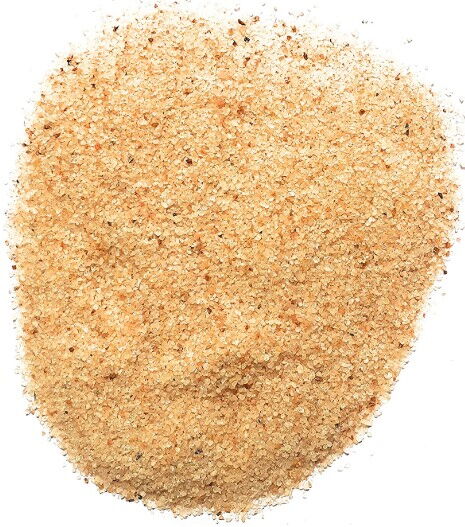
Quartz sand media is made from natural quartz ore through a series of complex processing steps. It has excellent wear resistance and chemical stability, and it can withstand relatively high working pressure and temperature. This means that in various complex water treatment environments, quartz sand media can maintain stable performance, without easily wearing out or being corroded by chemicals. At the same time, quartz sand media has a relatively large specific surface area, which allows it to better intercept and remove tiny particles in water, improving water clarity and reducing turbidity. With these characteristics, quartz sand media has been widely applied in water treatment. Whether in drinking water treatment or in industrial wastewater treatment, it is always present.
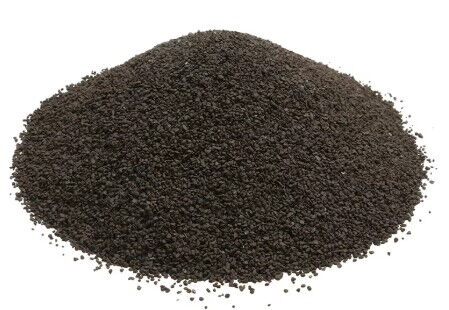
Manganese sand media has a unique "skill." Rich in manganese dioxide, it possesses strong redox capability. It plays an especially important role in groundwater treatment for iron and manganese removal. In water sources with high concentrations of iron and manganese ions, manganese sand media can effectively catalyze the oxidation of these ions, converting them into insoluble compounds and thereby removing them. However, although manganese sand media has a large bulk density, its strength is not as high as quartz sand. Therefore, in intercepting sediment and other impurities, manganese sand is less effective than quartz sand. Nevertheless, manganese sand media performs better in pretreatment, forming an "active filter film" faster, so that the effluent water quality can reach a good state in a shorter time.
Due to their unique properties, different filters play critical roles in different scenarios. Let us now take a look at the respective application scenarios of quartz and manganese sand filters to see how they shine in their fields.
Quartz sand filters are widely applicable. In drinking water treatment, they can remove suspended matter, colloids, and some organics from water, increasing clarity and reducing turbidity, allowing people to drink cleaner, clearer water. In industrial wastewater treatment, quartz sand filters can serve as pretreatment equipment, removing large particles from wastewater and creating favorable conditions for further treatment. In circulating water systems, quartz sand filters also play an important role by removing impurities in circulating water, preventing scaling and clogging, and extending equipment lifespan. In short, quartz sand filters are "generalist players," suitable for a variety of water treatment scenarios.
Manganese sand filters mainly focus on groundwater treatment, especially for water sources with high concentrations of iron and manganese ions, such as well water and spring water. In these sources, iron and manganese ions affect water quality, making the water appear yellow or brown, even producing odors, and causing negative impacts on life and industry. Manganese sand filters effectively remove these ions, making groundwater meet standards for drinking and industrial use. Thus, manganese sand filters hold an irreplaceable position in groundwater treatment, acting as "specialists" in iron and manganese removal.
Any equipment purchase and use must consider its economic feasibility and maintenance convenience. So, what are the characteristics of these two filters in terms of cost and daily maintenance? Let us continue exploring.
Cost is an unavoidable factor when choosing filters. Quartz sand filters are relatively low-cost, especially in media procurement and replacement. The market price of quartz sand media is relatively stable, and due to its wear resistance and stability, it has a long service life and a low replacement frequency. This allows quartz sand filters to save on maintenance costs during long-term operation. For users with limited budgets or strict cost control, quartz sand filters are an economical and affordable choice.
Although manganese sand filters are very effective at removing iron and manganese, their cost is usually higher than quartz sand filters. The purchase price of manganese sand media is higher, and since its strength is not as great as quartz sand, the media may need to be replaced more frequently, which increases operating costs. However, considering the professional and efficient iron-manganese removal ability of manganese sand filters, for users needing to treat high-concentration iron- and manganese-rich water, the higher cost is worthwhile. When choosing manganese sand filters, users must comprehensively consider filtration needs, economic costs, and maintenance costs, weighing pros and cons to make the best decision.
Only under proper operating conditions and with correct operating methods can filters perform optimally. Next, let us explore in detail the operating requirements and practical tips for manganese sand and quartz sand filters.
Quartz sand and manganese sand filters have some similarities in operating conditions. Their inlet water pressure is usually 3–4 kg, and the temperature is normal. The filter tanks are generally made of stainless steel, rubber-lined carbon steel, or treated with epoxy anti-corrosion coatings. These conditions ensure stability and safety during operation, making them adaptable to various water treatment environments.
However, there are differences in key operating points. The maximum flow rate of quartz sand filters can reach 20 m/h, while that of manganese sand filters is 10 m/h. This means that when treating the same volume of water, the tank diameter of a quartz sand filter can be smaller, with less media filled. In backwash systems, quartz sand filters are simple to operate and can automatically start backwashing through various methods such as time or pressure difference, ensuring stable filtration. Manganese sand filters, however, require more attention to media pretreatment and maturation to ensure good effluent quality. During backwashing, manganese sand filters also require more careful operation to avoid media loss or damage.
When choosing between manganese sand filters and quartz sand filters, multiple factors need to be considered. First, clarify your filtration needs. If the main goal is to remove suspended matter, colloids, and some organics from water, improving clarity and reducing turbidity, then quartz sand filters are a good choice. If the water source contains high concentrations of iron and manganese ions and requires specialized removal, then manganese sand filters are more suitable. Second, consider economic and maintenance costs. Quartz sand filters have a cost advantage, while manganese sand filters, though more expensive, excel in specific applications. Additionally, factors such as operating conditions, ease of operation, and media characteristics should also be taken into account.
Manganese sand filters and quartz sand filters are both important equipment in water treatment, each with their own features and advantages. By understanding their filtration principles, media characteristics, application scenarios, costs and maintenance, and operating conditions, we can better choose the filter that suits us. Whether in drinking water treatment or industrial wastewater treatment, choosing the right filter can effectively improve water quality, protect health, and ensure smooth industrial production. It is hoped that this article helps everyone gain a better understanding of these two filters and make wise choices.
