61-72 of 359 results


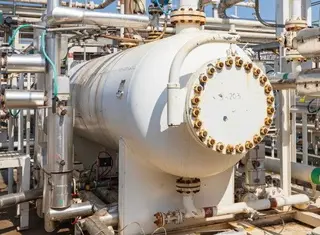
Operating Conditions of Pressure Vessels

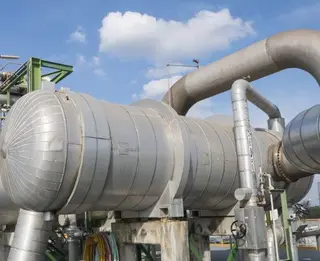
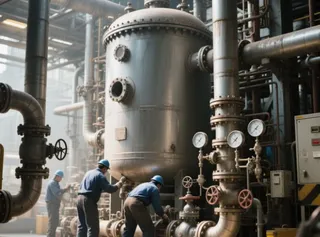
Pressure vessels are widely used in industries such as petrochemical, chemical, energy, and food processing. They are closed devices designed to withstand internal or external pressure. The safety, reliability, and stability of pressure vessels directly impact the normal operation of entire production systems, making strict adherence to various standards and regulations essential. This article will delve into the operating conditions of pressure vessels, analyzing key factors such as pressure, temperature,...

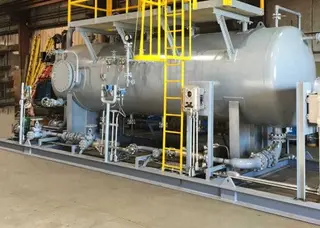
How to Operate a Three-phase Separator Properly?

In industries such as oil, natural gas, and chemicals, the three-phase separator plays a crucial role. It is a specially designed device used to separate oil, water, and gas from oil-gas-water mixtures, widely applied in processes like oilfield production, natural gas processing, and petroleum refining. Through physical and mechanical processes, the three-phase separator not only effectively improves crude oil quality by removing water and gas but also reduces equipment corrosion, ensuring the smooth...

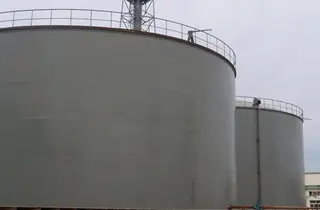
How to Prevent Crude Oil Storage Tanks Safety Risk?

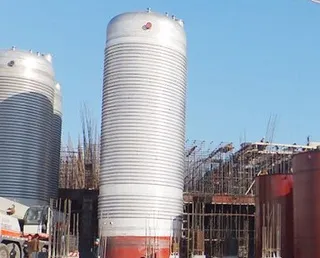
Crude oil storage tanks are essential facilities in the storage and transportation of petroleum, but they also come with significant safety risks, including fire, explosion, and leakage hazards. Crude oil itself is highly flammable and explosive, and leaks can lead to severe environmental pollution. To ensure the safe operation of crude oil storage tanks and avoid accidents, it is crucial to understand the potential risks and implement effective preventive measures. This article provides a detailed...

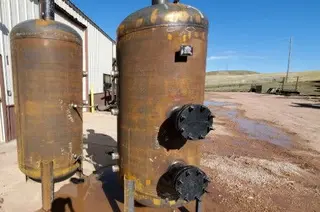
Stress Corrosion Cracking in Pressure Vessel Materials

Pressure vessels play a critical role in various industries, including petroleum, chemical, power generation, and pharmaceuticals. These vessels are commonly used to store, transport, or process high-pressure fluids, enduring significant pressure fluctuations and temperature changes during operation. Pressure vessels not only need to withstand substantial internal and external pressure differences but also must remain stable over long periods in harsh environments. However, due to prolonged exposure...

How to Deal with Cracks in Pressure Vessels and Pipelines?

In industrial production, pressure vessels and pipelines, which operate under long-term high-temperature and high-pressure conditions, are highly susceptible to cracking. These cracks not only threaten the normal operation of factories but also pose serious risks to the safety of personnel. Therefore, ensuring the structural integrity of pressure vessels and pipelines during processing, manufacturing, and operation is crucial. This requires the adoption of scientific and reasonable inspection methods...

Safety Management of Liquid Nitrogen Storage Tanks

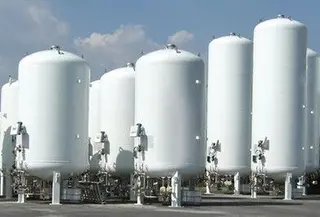
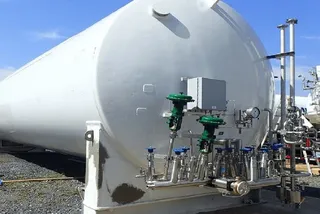
Liquid nitrogen storage tanks are specialized cryogenic containers designed for storing liquid nitrogen, widely used in various fields such as industry, scientific research, healthcare, and food processing. While liquid nitrogen provides efficient cooling and gas protection due to its extremely low temperature, inertness, and asphyxiating properties, it also poses certain safety hazards. The use and management of liquid nitrogen storage tanks require heightened attention to their potential dangers...

Quartz Sand vs. Activated Carbon Filters: Major Differences

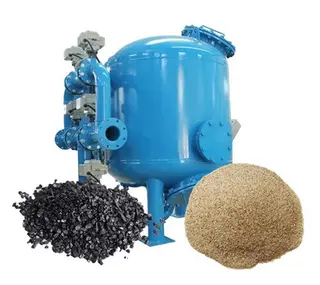
In water treatment systems, quartz sand filters and activated carbon filters are two common and essential devices widely used in various water purification tasks. Although they may look similar, their working principles, filtration effects, and applicable scopes differ significantly. By comparing these two types of filters, we can better understand their roles and make more informed choices in practical applications. Overview of Quartz Sand Filters Quartz sand filters primarily remove suspended...

Total 359 Records, 12 records per page